Can an RTG Crane (Rubber-Tyred Gantry Crane) handle automated stacking reliably?
Electing a jib, the choice often centers on segment boom versus telescopic boom. Extendable arms deliver simplicity and are optimal for orthogonal lifts, but jointed jibs produce increased maneuverability, supporting access to limited spaces. Reflect on the field site; if you’re mainly facing blockades or want more intricate positioning, a folding jib is expectedly the superior option. However, for free areas and simple lifts, a extendable jib might work as a greater economic resolution.
Understanding Heavy-Duty Lifting Arm Lifting Systems: Applications and Gains
Robust jib arm lifting systems represent a specialized type of raising equipment, created for burdensome load control in laborious environments. Their main trait is a unbending lifting arm architecture, which provides for specific positioning and elevated stability, especially when operating in restricted spaces or at considerable heights. Common purposes cover bridge erection, fabrication operations, renewable station deployment, and structural expansion. The essential perks entail increased precaution, strengthened efficiency, and the aptitude to finish tasks that would be unachievable with typical equipment. This translates to reduced payments and elevated plan consequences.
Ship-to-Shore Gantry: The Giants of Jetty Container Transfer
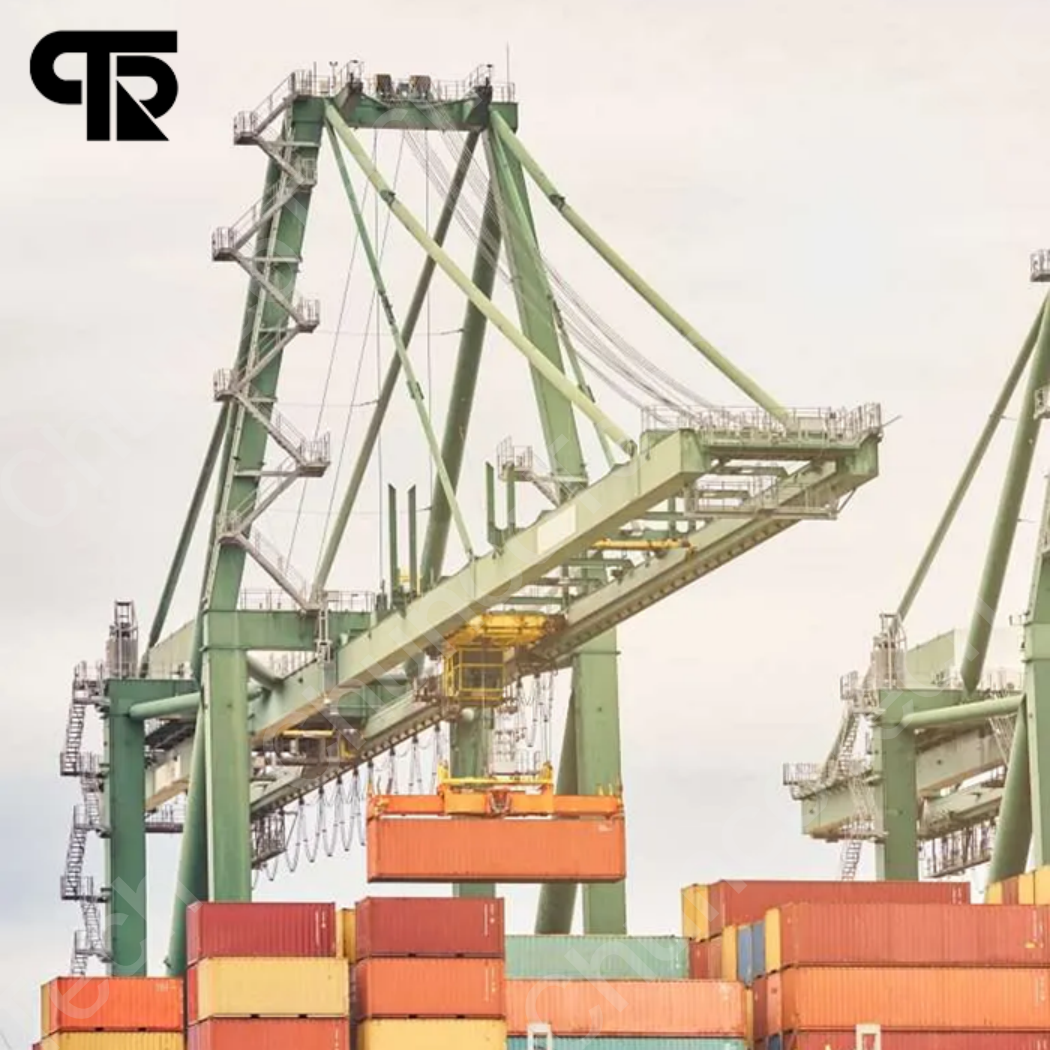
Current gigantic STS machines represent the pinnacle of engineering triumph in the marine industry. Designed to effectively load and transfer containers between ships and the harbor, they are important for the seamless operation of modern harbors. Their vertical reach – often exceeding a hundredfold distance units – and astounding capacity allow them to handle the most immense container crafts currently in service, fundamentally determining global exchange.
Knuckle Boom Cranes: Adaptability in Lifting Jobsites
Knuckle boom equipment are celebrated for their exceptional flexibility, providing technicians with a one-of-a-kind advantage in diverse lifting up activities. Housing a jointed boom segment, these durable equipment can maximize around obstacles and situate burdens in cramped locations. This faculty makes them recommended for applications in assembly, warehousing, resources projects, and multiple other fields. Overall, knuckle boom devices offer a essential approach to hard hoisting conditions.
Straight Boom Cranes: Precision and Robustness Explained
Fixed craning arm hoists are distinguished for their outstanding competence to deliver precise lifting and deployment of burdens. As opposed to collapsible models, their easy design produces native stability, making them suited for operations requiring elevated levels of oversight and negligible movement. This quality is eminently important in development sites and domains where harsh tolerances are necessary.
Heavy-Duty System Lifter Advantages: At times Stiffness Counts
Customary lifting boom lifters often face challenges with bending, especially when managing weighty materials or carrying out at major extents. However, rigid jib machines supply a pronounced plus by lowering unnecessary movement. This improved firmness leads to reliable processes, greater exactness, and a decreased likelihood of freight unbalance. Thus, firm systems are perfect for jobs where physical security is vital.
Dockside Cranes: The Complete Exploration into STS Setup
Specific pier lifter device platform represents this crucial component for modern cargo terminals. Advanced quay loading devices are complicated constructions built to efficiently shift crates off of huge container transports near harbor systems. Their process demands exactness engineering and built-in mechanisms to maintain safety and raise capacity.
Evaluating Hoisting Categories: Knuckle, Fixed, Rigid, and STS
Settling on the suitable crane for a precise project is paramount. While many selections exist, four frequently used classes – variflex cranes, extendable cranes, luffing cranes, and ship-to-shore cranes – symbolize significantly unique facets. Jointed cranes present remarkable maneuverability due to their folded part, making them ideal for cramped areas. Linear cranes deliver multiuse reach through their variable boom, optimal for general loading conditions. Rigid cranes hold a upright component, ideal for meticulous positions where rigidity is required. Finally, STS cranes, designed specifically for parcel transport at piers, contain considerable handling capacity and prolonged distance.
- Variflex Hoisting Categories
- Direct Lifting Models
- Strong Crane Kinds
- Harbor Machine Types
An Growth With respect to STS Cranes: Trends and Improvements
Across recent phases, STS (Ship-to-Shore) crane technology has undergone a remarkable change, propelled by calls for maximized port throughput. Early STS cranes were essentially simple constructions, applying basic performing mechanisms. Now, contemporary STS cranes incorporate sophisticated robotics, including cutting-edge control systems, responsive positioning competencies, and upgraded safety precautions. A key emergence is the combining of battery-powered propulsion, minimizing pollution and enhancing operational efficiency. In addition, the rise growing prevalence robotic operation and information-based maintenance are modifying the field related to STS crane application. The expectation sees enduring priority on fuel management and the design of even more powerful cranes to handle ever-larger container vessels.
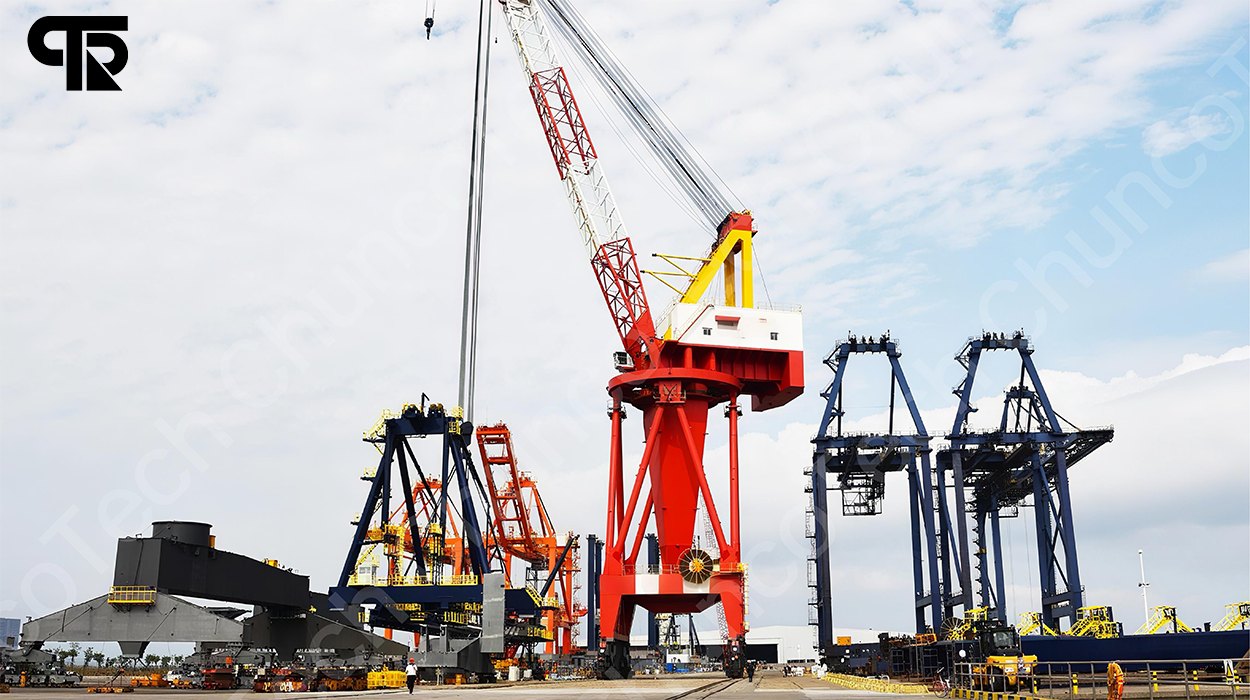 RMG Crane (Rail-Mounted Gantry Crane)