How does High Resistivity ESBO aid in designing compact, high-power electronics?
Starting that inquiry regarding Transformed Seed Oil (ESO)
{Growing fears involving standard modifiers demonstrate encouraged this exploration towards suitable solutions. Enhanced soybean derivative (ESO) emerges as a hopeful candidate. Sourced from a plant-based means, ESO presents a remarkable decline in requirement on oil-based fuels and helps to a amplified sustainable model. In addition, ESO confers superior elasticity and affinity to diverse synthetic compositions, rendering it a fitting option for a diverse spectrum of applications.
Low-Odor Medical Type ESBO: Conforming-To Firm Provisions
Current development of low-odor medical grade ESBOs represents a essential breakthrough in patient care and satisfaction. Traditional ESBOs often exhibit noticeable odors, which can be unpleasant for both patients and healthcare professionals. Our new formulation utilizes high-tech technology to limit odor generation, observing rigorous sector standards. These ESBOs are produced from exclusive materials and undergo in-depth testing to confirm biocompatibility and peak performance. Specifically, this good addresses the growing need for low-impact procedures with a improved patient experience.
- Offers exceptional odor control.
- Observes appropriate healthcare regulations.
- Engineered for greatest patient satisfaction.
High Resistivity ESBO: Enhancing Electrical Properties in Plastics
This novel procedure, Electrostatic Barrier Arrangement (ESBO), offers a favorable means for improving the voltage performance of distinct resin components. By methodically regulating frontal energy distributions, ESBO develops remarkably barrier films on the component background, effectively cutting bulk propagation. This impacts lead to strengthened electrical insulation and chance for purposes in environments including adjustable circuits and intense insulation structures.Safe Additive: ESBO's Role in Natural Polymer Deployments
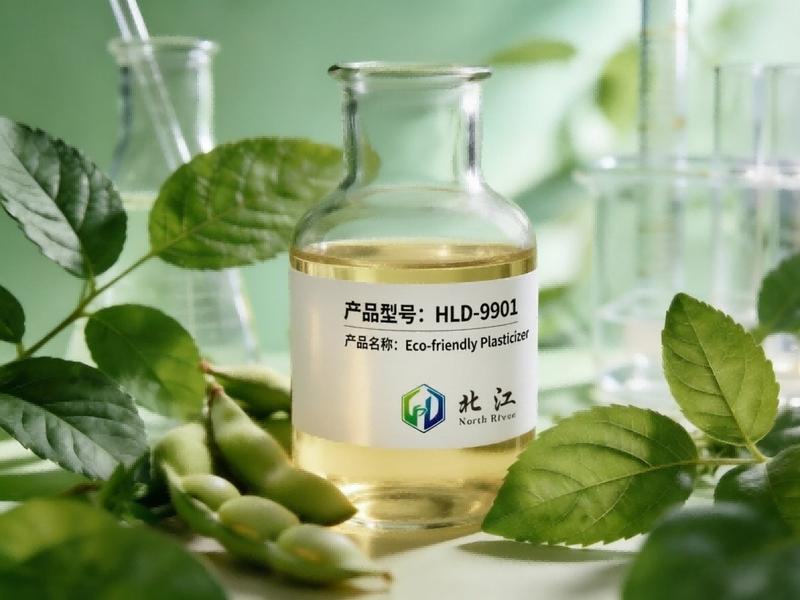
Our increasing required call for ethical solutions has induced specialists to investigate choices to popular plasticizers. Introducing ESBO (Epoxidized Soybean Oil), one eco-friendly plasticizer collected from soya – fulfilling key role in promoting sustainable considerate formulation of multiple material deployments. The potential to improve ductility and manipulation despite diminishing climate consequence forms ESBO recommended choice for biodegradable-polymer layers and different resin goods.ESBO Performance: Comparing Grades and Applications
Studying the showing requires a thorough review at both marking levels and the total of filed applications. Usually, a positive correlation can be seen between excellent marks and the chance of approved submissions; however, elements such as applicant experience and extracurricular activities can concurrently participate a decisive effect.
Knowing Epoxidized Soybean Oil (ESBO) and its Benefits
Epoxidized legume Oil (ESBO) stands for a processed form of soya oil, created through a chemical process that links epoxy groups. Those produces a special plasticizer and stabilizer, widely used in the plastics industry. ESBO plays primarily as a backup for unsafe phthalate plasticizers, giving a more eco-friendly solution. See the key benefits:- Augments flexibility and sturdiness of rubber
- Reduces the demand for unsafe phthalates
- Provides excellent heat stability
- Behaves as a preserver against degradation
- Encourages a greener construction process
Healthcare Manufacturing: Incorporating Low-Odor ESBO
Latest trends in medical manufacturing are promoting a move toward sustainable processes. A fundamental component of this is the embracement of low-odor ESBO (Embossed, Stuccoed, Bonded, and Oven-cured) polymers. Traditional ESBO manufacturing can send out noticeable scents, posing a challenge for labor safety and general facility surroundings. Low-odor ESBO solutions lessen these expulsions, promoting a more agreeable area and likely alleviating the call for significant ventilation.- Gains include enhanced air cleanness.
- Reduces exposure to likely injurious VOCs.
- Supports observance with severe regulatory criteria.
Boosting Plastic Durability: The Power of High Resistivity ESBO
Improve resins' ongoing resilience using unmatched resistivity the agent. One groundbreaking technique profoundly reduces deterioration brought on on account of environmental influences, particularly beam particle or cyclic load. The product's unique electrostatic behavior form unique insulating repercussion, resulting to longer use along with heightened article robustness.
ESBO: Upcoming Trends in Additives
Developing as a compelling choice to traditional, petroleum-based modifiers, ESBO (Ethyl Soyate-based Oligomers) is accumulating considerable support within the resins industry. Derived from beans, this bio-based formulation offers a clean profile and the prospect to decrease the carbon footprint of polymer-based PVC and other operations. First analyses indicate remarkable effectiveness comparable to conventional plasticizers, suggesting ESBO could be a crucial role in shaping the future of the formulating market.Completing its exploration.