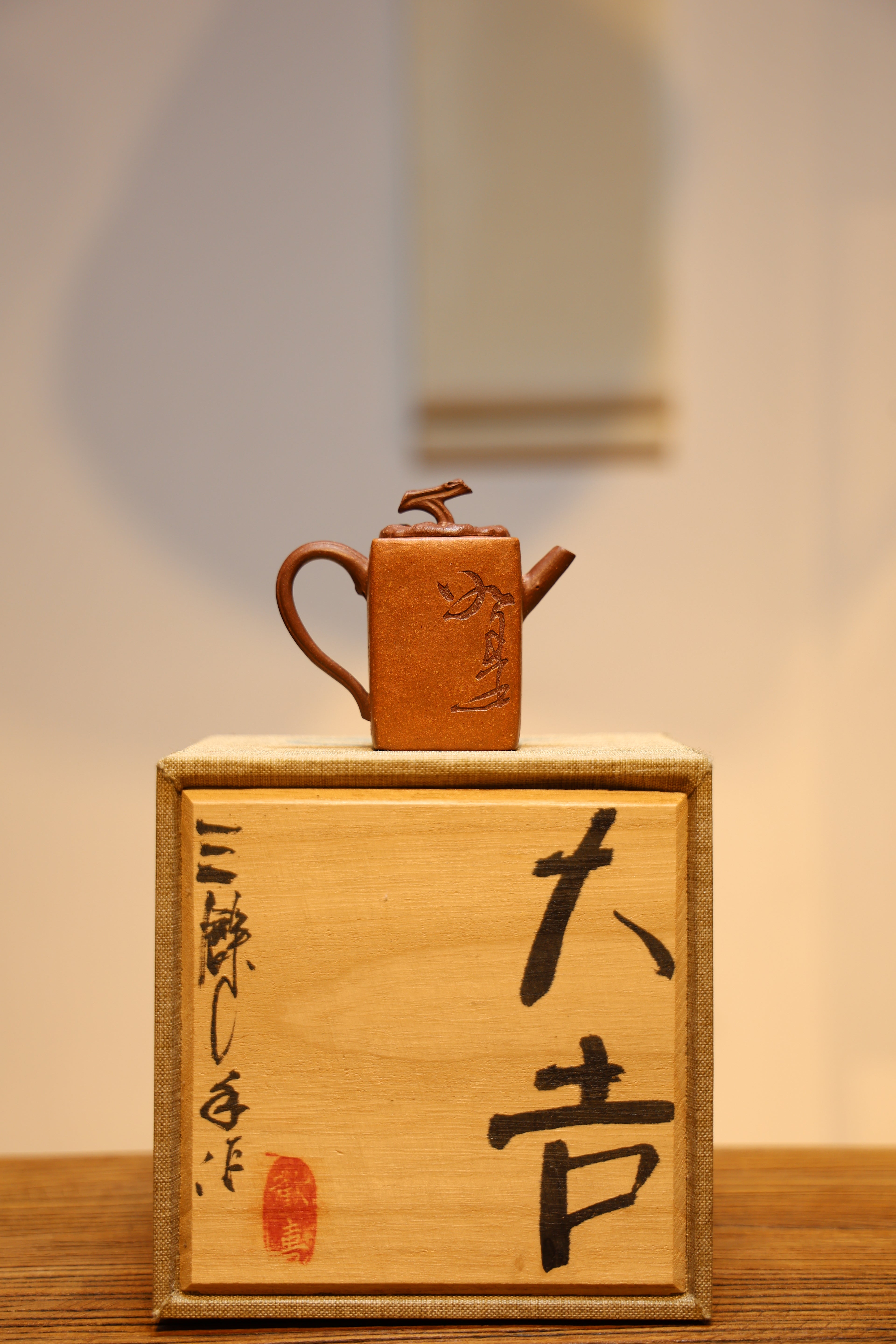
How long does it take for a Purple Clay Teapot to fully season with use?
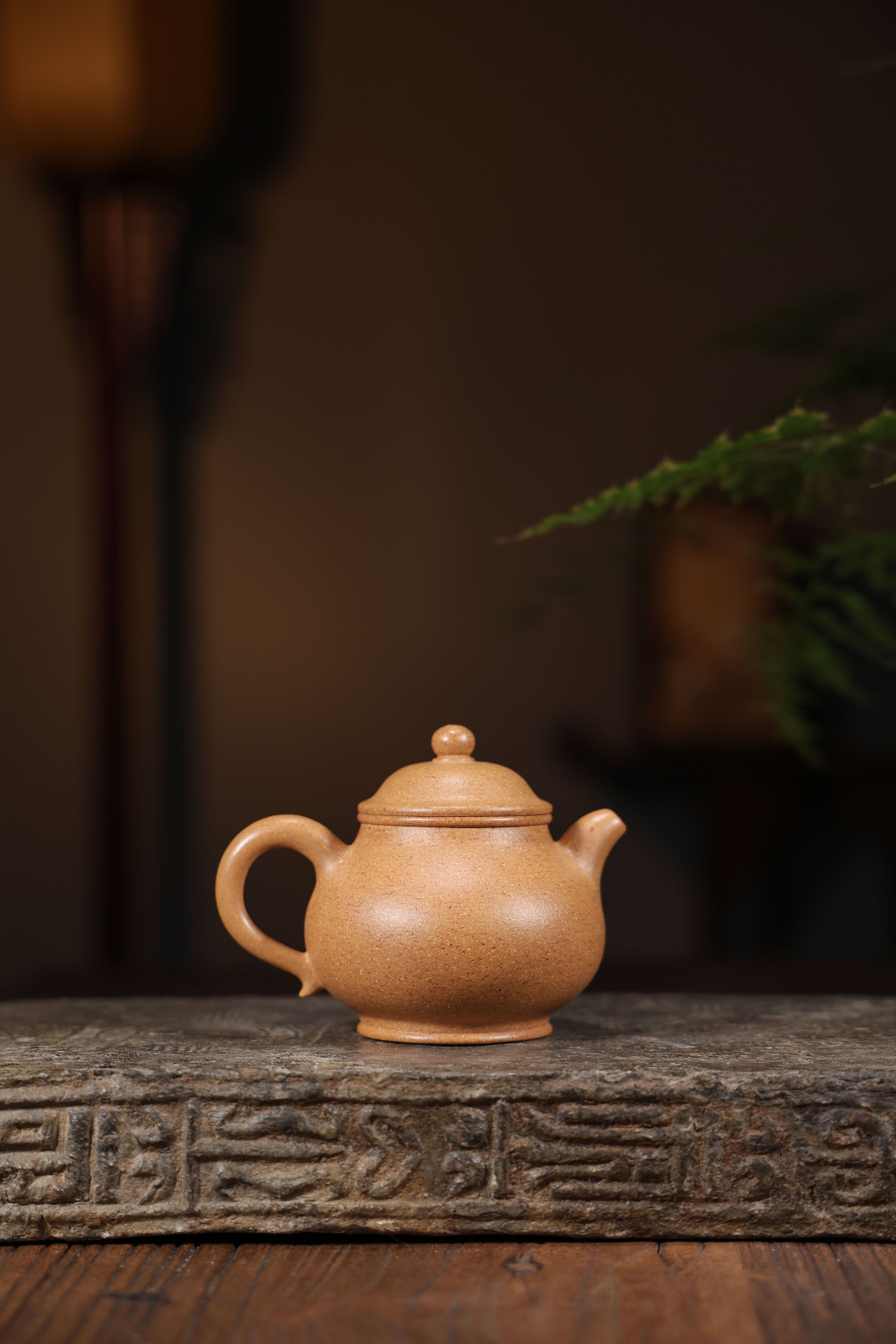
Across the expanse of historic epochs,
Over eras, collectors have been ensnared by the uncommon charm of Yixing Zisha kettles. Originating from the district of Yixing in Jiangsu, these pieces are renowned for their remarkable beauty, unusual clay, and built-in ability to enhance the flavor of the beverage. The element's distinctive auburn hue, combined with the skillful production of Yixing's artisans, creates artifacts that are and functional creations and prized valuables. Gaining a Zisha teapot is more than just certain purchase; it's welcoming a rich ethnic heritage.
Grasping Yixing Teapots: Narrative, Forms, and Merit
Celebrated Yixing teapots manifest a vast record deeply intertwined with Chinese culture. Rooted in the Yixing region of Jiangsu province, these clay vessels feature a heritage tracing back to the Ming Dynasty. Primary examples were functional, but amidst centuries, Yixing teapot manufacturing evolved into an esteemed art form. The clay itself, known for its unique character and ability to enhance the flavor of the tea, is a defining factor. Yixing teapots materialize in various kinds, broadly categorized by shape: Established such as Zhuni (purple clay) and Bisheng, as well as distinct designs. The price of a Yixing teapot depends on several Yixing Teapot factors, including the potter’s acclaim, the age of the piece, the rarity of the clay, and its aesthetic grace.- Record: Founding era
- Substance: Various types
- Appraisal Elements: Craftsman's renown
Zisha Pot Expertise: Practice and Potters
The assembly of a legitimate Zisha teapot is a demanding process, requiring years of competency. Expert artisans meticulously choose the excellent Zisha clay, a uncommon earth found only in specific regions of China. Established techniques, often bequeathed through families, involve accurate shaping, nuanced carving, and unhurried firing in ancient fireplaces. The final teapot isn't merely a jar; it's a testament to aesthetic vision and the weighty connection between the maker and their lineage. Each product showcases the personal touch of the designer, resulting in a truly exceptional work of making.
Traditional Artefacts: Investigating the Rich Cultures of the Yixing Region
Esteemed Yixing, nestled in Jiangsu the expanse, is internationally renowned for its exceptional containers – a tangible representation of centuries of Chinese culture. These aren't merely vessels for manufacturing tea; they are intricate works of skill, often reflecting ideological ideals. The unique purple clay, known as Zisha, possesses uncommon qualities: the substance dense, breathable, and imparts a subtle essence to the tea.
- Plentiful clans have honed the techniques of Yixing urn making, passing down traditional methods through lineages.
- Fans prize these pieces for their aesthetic and exclusiveness.
- Particular pot tells a legend, connecting the recipient to a rich legacy.
Entering Yixing Zisha: Important Factors
In the process of assessing investing in Yixing Zisha clayware, numerous points involve careful scrutiny. First of all, the substance's cast is significant; authentic Zisha usually exhibits a particular carmine depth. Also, evaluate the craftsmanship; precise markings and a sleek coating signify proficient craft. Eventually, consider the artist’s history; esteemed names bring increased premiums and often deliver a stronger yield.
Zisha Pot Techniques for Tea Brewing
Infusing savory tea with a Zisha urn is more beyond a simple technique; it's an mastery. Zisha clay, famous for its unique geological composition, imparts a nuanced character to the brewed tea that’s often lacking with other materials. The fitting water degree is crucial; typically, lower than what's used for black tea, to preserve the tea's fragrance and zest. Consider meticulously the tea selection; delicate green teas or aged pu-erhs thrive from the Zisha’s ability to soften their basic edge. It’s pivotal to prepare the teapot stringent to brewing, and to refrain from over-steeping. Mastering this approach leads to a truly exceptional tea instance.
- Appreciating Zisha Clay
- Heat Intensity & Tea Selection
- Role of Pre-treatment
Safeguarding Your Distinctive Clay Pot
Intending to sustain the durability of your prized Yixing ceramic pot, routine attention is utterly mandatory. Refrain from using soap; instead, lightly flush it with warm aqueous substance. Refrain from immediate fluctuations; don't rest the vessel directly onto a glowing base. Periodically, season the jar by infusing it with choice aged tea, as this supports to develop its nature and safeguards the peculiar attributes of the component.
Concerning Substance to Vessel: The Development of a Yixing Vessel
The creation of a Zisha teapot is a noteworthy process, a proof to both the earth's bounty and the competence of the artisan. It originates with the exact extraction of the special clay from the burgundy Zisha mines near Yixing. This virgin material, known for its exquisite features, is then methodically cleaned and molded for the foundational forming. The pot's contour is professionally fashioned using a union of established hand-building processes, often incorporating fancy enhancements. Following settling, the jar undergoes a indispensable first firing, followed by a coating stage, which might involve several layers of earthy Zisha applications. Finally, a second, and sometimes third, firing at powerful temperatures realizes the creation, revealing its complete beauty and fantastic characteristics - a genuine masterpiece, prepared to adorn a tea tradition.
{Yixing Teapots: A Exemplar of a Custom and Tribute
Legendary Yixing teapots, originating from the renowned Yixing region of Jiangsu province, are far more than mere vessels for brewing the beverage; they represent a significant aspect of Chinese heritage. Produced from distinctive purple clay – zisha – these extraordinary teapots are highly esteemed for their ability to enrich the flavor of the tea and, crucially, for their elegance. The chronicle of Yixing teapot making spans centuries, and the technique involved is relayed through generations, making each teapot a cultural artifact that embodies time-honored techniques and a profound appreciation for the simple pleasures in life.