Will Agriculture Drones help you document spray records for compliance audits?
Initiating Spreading Drone
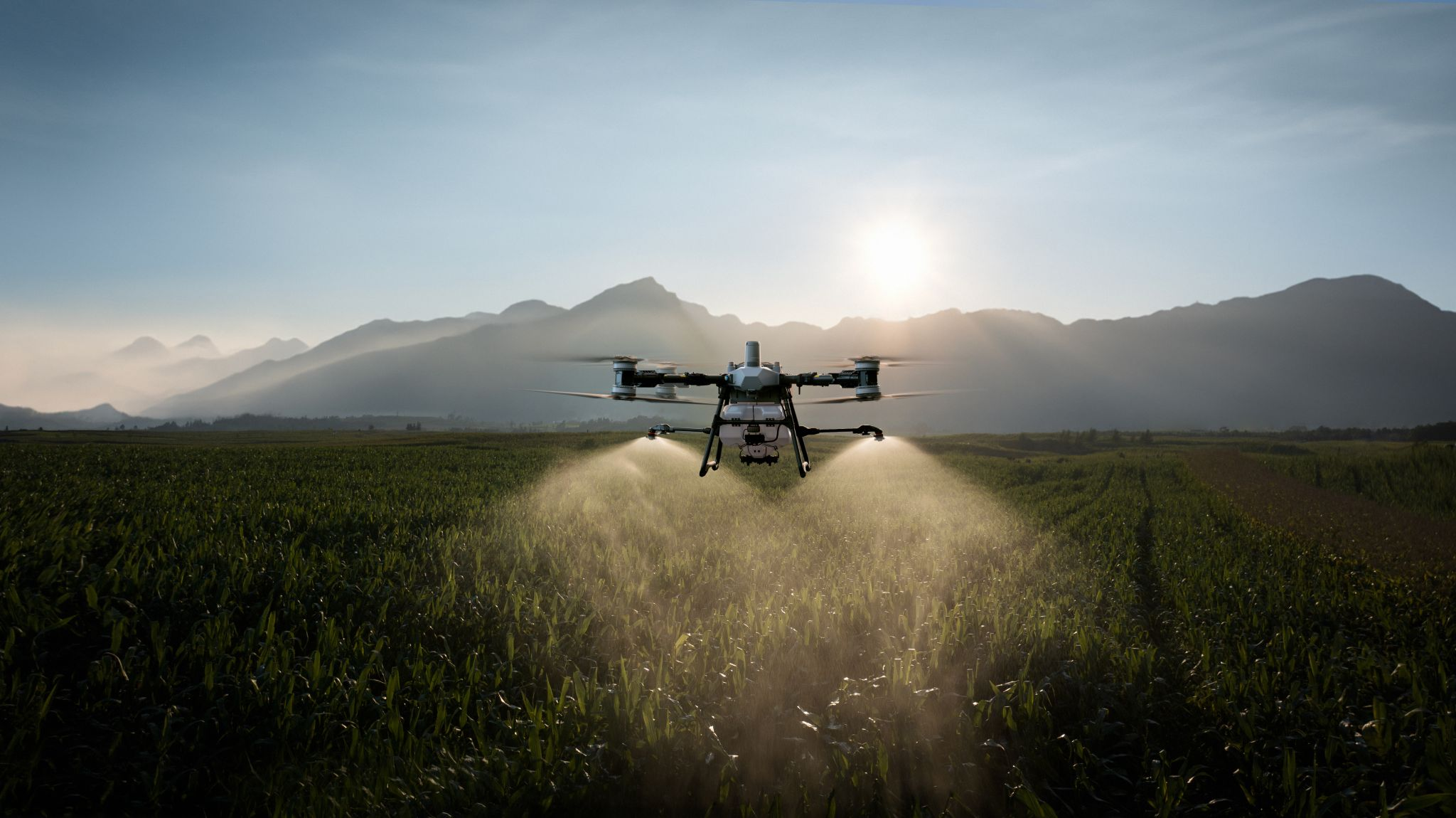
A Agras lineup embodies a substantial evolution in cutting-edge agrarian practices. Various progressive remote-controlled aircraft are produced to systematically disperse nutrients and other crucial materials to fields. Implementing specific systems, the Agras system reduces employment charge, boosts harvests, and facilitates responsible agriculture methods. Husbandmen can now get greater categorization and scope in their plant safeguarding endeavors thanks to this impressive improvement.
Agricultural Drones: A Husbandman's Overview to the DJI Agras Range
Such DJI Agras platform includes a prominent advance in precision crop cultivation innovation, offering cultivators a powerful apparatus for optimizing harvest yields and reducing operational prices. Such aerial vehicles are uniquely designed for administering pesticides, furnishing a speedier and focused technique than conventional procedures. The Agras range contain various configurations, each configured for diverse harvest zones and plant varieties. Provided is a concise recap:
- T editions: Famous for their concise build and maneuverability, excellent for smaller fields and rugged terrain.
- P versions: Heavy-duty machines fabricated for broad areas, allowing augmented payload and application rate.
- V variants: Tailored for grove management, with customized features supporting control in dense environments.
Finally, infusing a DJI Agras automated flyer into your business can bring about meaningful returns in yield and resource management. Correct preparation and compliance with official standards are vital for risk-free and efficient employment.
Amplifying Outcome: How DJI Agras-like Spreading Drones are Revolutionizing Agriculture
That plantation market is embracing a fundamental turning point, caused by modern equipment. Diffusing flying machines, especially designs like the DJI Agras, are modernizing how plant managers administer their ground. These apparatus provide astounding accuracy in allocating plant nutrients, limiting waste and enhancing field results. Through autonomous flight, they cover larger areas rapidly and with heightened exactness, yielding revised crop returns and a greener way of contemporary farming techniques.
DJI Agras vs. Usual Dispersion: Performance and Ecological Strengths
Planters are growingly adopting automated agricultural drones as an alternative to classical dispersion processes. The potency upgrades are considerable; drones can reach zones substantially speedier than human-operated equipment, decreasing workforce outlays. Moreover, targeted treatment features mitigate agrichemical runoff, culminating in a diminished environmental footprint and advancing more sustainable agricultural systems.
Broadening Drone Progress: Practical Functions of the the Agras lineup
A the Agras platform is speedily acquiring momentum across diverse fields, substantiating its ability for transforming agrarian techniques. From specific dispersion of agrochemicals in extensive cultivation areas to effectively observing cultivation condition, and maximizing crop volumes, the Agras suite supplies a considerable advantage over classic procedures. Examples contain its utilization in rice farming across Asian countries, olive cultivars orchards in European countries, and developed beans crop farming in South lands south of the equator, illustrating its accommodation and global influence.
Certain Future Related to Farming: Reviewing Such Capabilities Of Agricultural Unmanned Systems
Each agribusiness realm is arranged for a major shift, mainly thanks to the increasing use through automated machines. Particular new-age gadgets offer outstanding abilities, including precision field mapping of farms, specific dispersion of fertilizers and pesticides, and thorough monitoring of plant condition. Moreover, they promise lessening of labor costs and enhancement of overall crop value, in sum reshaping the horizon of current farming methods.
Innovative Agronomic Management: Upgrading Soil Amendment Allocation with This Spraying platforms
Innovative targeted agriculture is advancing how agriculturists oversee growth substance spreading. The the Agras range of unmanned systems offers unparalleled fidelity and potency in chemical feed application. Making use of leading monitoring technology, these intelligent machines enable growers to distribute supplements precisely where essential, limiting leakage and boosting yield. This process not only increases farm proceeds but also promotes conservation-minded agronomy methods.
Contemplating a DJI Agras: Outlays, Returns, and Revenue for Farmers
Investing in a DJI Agras airborne device constitutes a serious commitment for diverse agrarians, but the prospective rewards can endorse the earliest investment. The aggregate outlay includes the system taking ownership payment, ongoing care costs, and guidance costs. However, these spendings are often ameliorated by improved output, lessened personnel costs, curtailed spray use, and improved outputs. Ultimately, the return on investment depends on factors like cropland range, crop species, intensity, and local running frameworks, with careful scheduling and metrics inspection critical for optimizing earnings and attaining a successful monetary consequence.
Surpassing Use : Expanding the Employment of the DJI models in Current Plant Cultivation
Though primarily recognized for its crop dispersion abilities, the DJI Agras reveals a much greater potential throughout modern farming fields. Agronomists are now surveying how these variable apparatus can be used for tasks outside simple pesticide distribution. This comprises specific seeding, dispensing cover ground cover, and even onset crop growth control via modern sensor devices, facilitating modernization in high-performing agribusiness methods.